

Building a deck transforms your backyard, adds functionality, and increases home value. The deck’s market size was estimated at USD 14.54 billion in 2024 and is projected to reach USD 24.57 billion by 2033, growing at a CAGR of 6.0% from 2025 to 2033. This growth reflects increasing consumer awareness of building aesthetics and outdoor living spaces.
But maintaining a deck is a commitment many homeowners underestimate. From cleaning and sealing to repairing boards and replacing hardware, deck maintenance cost can vary dramatically over time. Understanding these costs helps you make informed choices, plan your budget, and avoid costly surprises down the road.
Deck Maintenance Cost
If you’re looking for a fast snapshot of what maintaining a deck costs each year and over the long term, here’s a clear comparison between wood and composite decks:
| Material | Annual Maintenance Cost | 10-Year Total | 20-Year Total | Notes |
| Wood Deck | $500–$2,500 | $8,000–$18,000+ | $16,000–$36,000+ | High recurring costs, resealing, repairs, potential replacement |
| Composite Deck | $100–$500 | $1,000–$4,000 | $2,000–$8,000 | Higher upfront cost, minimal maintenance, longer lifespan |
Even though wood decks are cheaper to install initially, the ongoing maintenance and eventual replacement make them significantly more expensive over 10–20 years. Composite decks, on the other hand, require a higher upfront investment but provide predictable, lower lifetime costs.
The True Cost of Owning a Deck
Deck ownership isn’t a one-time expense. Many homeowners make the mistake of budgeting only for building a deck, forgetting that maintenance is recurring and often unavoidable.
Minor issues like loose boards or small leaks can snowball into major repairs if ignored. Compounding costs over time turn what seems like a low-cost investment into a financial burden. Planning ahead and scheduling consistent maintenance is the smartest way to avoid these surprises.
Annual Deck Maintenance Cost Breakdown
Maintenance costs vary by deck type and the level of professional help you hire. A typical breakdown includes cleaning, sealing, minor repairs, and replacing hardware.
Cleaning
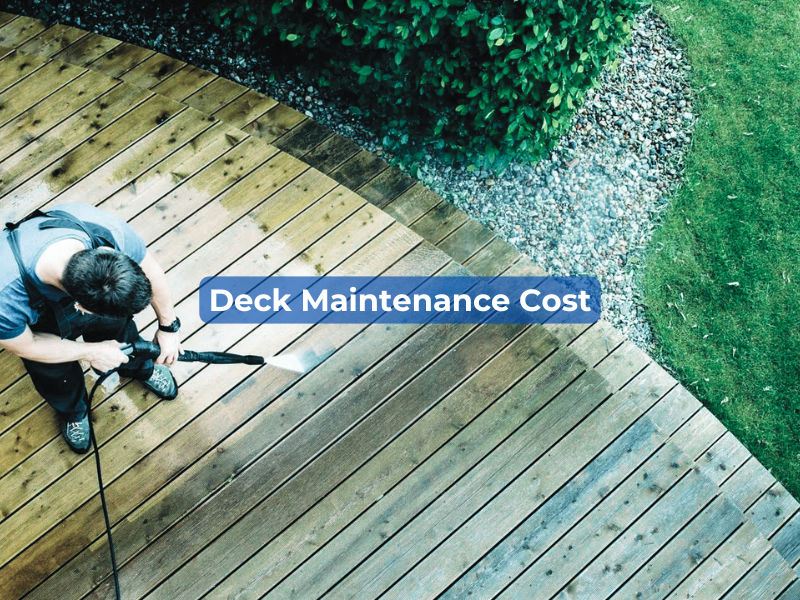
Regular cleaning prevents mold, mildew, and dirt buildup, which can stain wood or weaken composite materials. Expect to spend $50–$300 annually depending on whether you do it yourself or hire a professional.
Sealing / Staining (Wood Only)
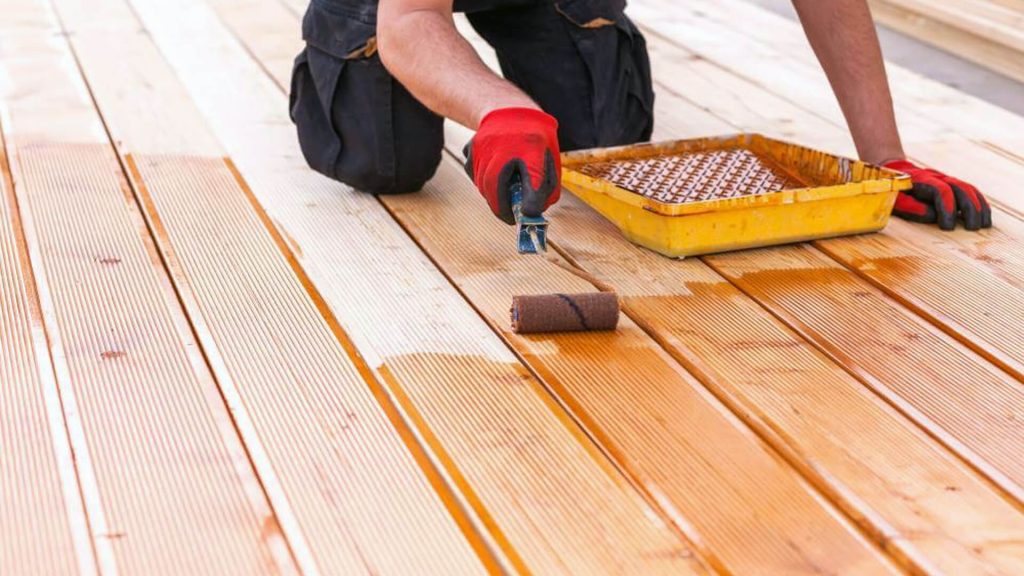
Sealing protects wood from sun, rain, and moisture, and is usually required every 1–3 years. Costs typically range from $2–$5 per square foot. Skipping sealing accelerates warping, splintering, and decay.
Minor Repairs
Decks inevitably require attention to loose boards, cracked boards, or minor structural fixes. Budget around $100–$800 per year for these routine repairs.
Fasteners & Hardware
Rusted or corroded screws, bolts, and brackets can compromise safety and lead to more expensive structural damage if not replaced promptly.
10-Year Deck Maintenance Cost (Wood vs Composite)
When planning for a deck, looking at the 10-year horizon gives a realistic picture of how costs accumulate. Understanding the differences between wood and composite decks helps homeowners make informed decisions and budget appropriately.
| Material | Maintenance Costs (10 Years) | Key Factors | Notes |
| Wood Deck | $8,000–$18,000+ | Sealing/staining, minor repairs | Higher recurring costs, requires regular upkeep |
| Composite Deck | $1,000–$4,000 | Occasional cleaning, minor repairs | Lower maintenance, predictable costs over 10 years |
These examples illustrate how material choice and maintenance habits can dramatically affect long-term expenses, showing that what may seem inexpensive initially could end up costing far more over a decade.
20-Year Cost Comparison: Wood vs Composite vs PVC
Looking at a 20-year timeframe highlights the long-term financial impact of your deck material choice. Comparing wood, composite, and PVC decks shows how maintenance, repairs, and replacements accumulate over decades.
| Material | Maintenance Overview | Lifespan | Estimated 20-Year Cost | Notes |
| Wood | Multiple reseals, frequent minor and major repairs, likely partial replacement | 15–20 years | $16,000–$36,000+ | High recurring costs, eventual replacement likely |
| Composite | Minimal upkeep, occasional repairs | 25+ years | $2,000–$8,000 | Higher upfront cost, lower long-term cost |
| PVC | Very low maintenance | 25–30+ years | $4,000–$10,000 | Extremely durable, higher initial investment |
This comparison makes it clear that upfront cost is only part of the story. Choosing durable materials and understanding maintenance needs can save thousands over the life of your deck, turning a smart investment into long-term peace of mind.
The Cost of NOT Maintaining Your Deck
Neglecting maintenance has real consequences. Board rot can lead to $2,000–$10,000 in repairs. Structural damage may require a partial rebuild, and complete failure often means full replacement. Skipping routine care doesn’t just affect appearance; it directly impacts safety and finances.
Moisture, sun exposure, and minor wear accumulate over time, turning small, inexpensive fixes into major, costly problems. Homeowners who delay maintenance often find that the “savings” from skipping upkeep are far outweighed by emergency repairs or early replacement.
Real-World Scenarios: What Homeowners Experience
Seeing maintenance costs in action helps homeowners understand how choices and habits affect both budgets and deck longevity. Here are three common scenarios based on real experiences:
Well-Maintained Wood Deck
Homeowners who stay on top of annual cleaning, sealing, and minor repairs enjoy steady costs and extended deck lifespan. Unexpected issues are rare, and the deck remains safe, attractive, and functional for many years.
Neglected Wood Deck
A deck that goes years without proper care may seem inexpensive at first, but eventually faces massive repairs or full replacement. Minor problems like loose boards or water damage can escalate quickly, turning low early costs into expensive surprises.
Composite Deck Owner
While the initial investment is higher, composite decks require minimal maintenance. Homeowners benefit from predictable expenses, fewer repairs, and long-term durability, making the upfront cost worthwhile over time.
These scenarios demonstrate that both material choice and consistent maintenance habits significantly impact long-term expenses and peace of mind, reinforcing the value of planning ahead.
What Drives Deck Maintenance Cost the Most
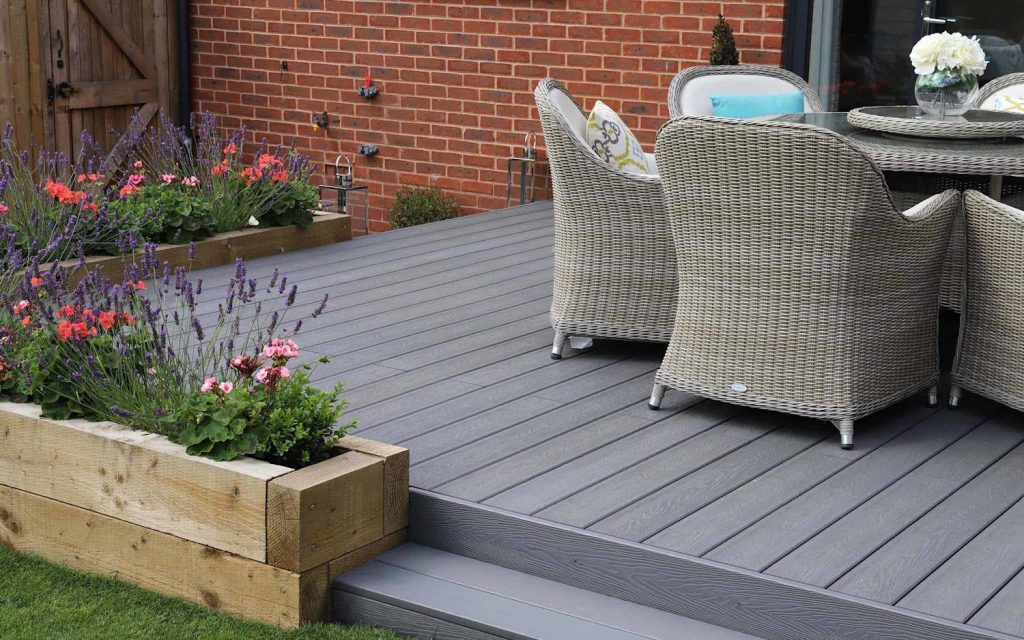
Several factors influence what you’ll spend on maintenance: deck size, material, sun exposure, moisture levels, drainage, and build quality. Larger decks and poorly constructed installations often require more repairs, while durable materials and proper design reduce long-term costs.
Indiana Climate: Why Maintenance Costs Are Higher
Indiana’s freeze–thaw cycles, humidity, and seasonal expansion and contraction create additional stress on decks throughout the year. Moisture can warp boards, fasteners may corrode faster, and mildew or mold can develop more easily, raising annual maintenance costs compared to milder climates.
Snow and ice accumulation during winter adds weight and moisture exposure, while hot, humid summers can cause wood to swell and crack. Homeowners in Indiana often need to budget more for sealing, repairs, and inspections to keep their decks safe and functional year-round. Planning for these climate-related challenges can prevent costly damage and extend your deck’s lifespan.
How to Reduce Deck Maintenance Costs
Keeping your deck in great shape doesn’t have to break the bank. By taking proactive steps, homeowners can prevent small issues from turning into expensive repairs and maximize the lifespan of their investment.
- Ensuring proper drainage to prevent standing water.
- Selecting durable materials suitable for your climate.
- Conducting proactive inspections to catch minor issues early.
- Investing in professional build quality for long-term structural integrity.
By incorporating these strategies, you not only protect your deck but also save money over the years. Smart, consistent care ensures your outdoor space remains safe, beautiful, and cost-effective well into the future.
Conclusion
While wood decks may seem budget-friendly at first, ongoing maintenance, frequent repairs, and eventual replacement can make them far more expensive over time. Composite and PVC decks cost more upfront but offer lower long-term expenses, minimal upkeep, and predictable performance.
Ultimately, your choice of materials, proactive maintenance, and quality construction determine the true deck maintenance cost. Investing wisely from the start ensures a safe, durable, and beautiful deck that remains cost-effective for years to come.